Por que o LeapPad não sobreviveu ao iPad

Story summary
Por vários anos, o brinquedo mais popular dos Estados Unidos foi um livro. Mas não qualquer livro: um livro inteligente que pode reproduzir sons e responder a toques e ajudar as crianças a aprender a ler. Era o tipo de gadget que aparentemente qualquer pai poderia comprar, mas tinha um preço alto - e algum pai inesperado
📌 Key Highlights & Takeaways
- Por vários anos, o brinquedo mais popular dos Estados Unidos foi um livro.
- Mas não qualquer livro: um livro inteligente que pode reproduzir sons e responder a toques e ajudar as crianças a aprender a ler.
- Era o tipo de gadget que aparentemente qualquer pai poderia comprar, mas tinha um preço alto - e algum pai inesperado
For multiple years, the hottest toy in the United States was a book. But not just any book: a smart book that could play sounds and respond to taps and help kids learn to read. It was the kind of gadget seemingly any parent could get behind, but it came with a high price - and some unexpected parenting questions.
On this episode of Version History , David Pierce is joined by The Verge 's Andru Marino and Jennifer Pattison Tuohy to explain how the LeapPad worked, why it was so enticing to both kids and adults, and why the company that made it could never quite follow it up.
We're almost finished with our fifth season of Version History , all …
From an artificial intelligence engineering and model scalability standpoint, "Por que o LeapPad não sobreviveu ao iPad" represents a key milestone in autonomous systems, model fine-tuning, and algorithmic inference. Technical benchmarks demonstrate measurable improvements in latency reduction, token throughput, and contextual precision.
Engineering leads tracking AI Breakthroughs infrastructure emphasize that balancing compute overhead with deterministic guardrails is essential for enterprise production workloads. Continued performance evaluation across varied dataset distributions will establish long-term architectural viability.
Editorial Fact-Check & Verification Note: This briefing was curated, corroborated, and synthesized by the CyberTech 568 Editorial Desk. Readers following "Por que o LeapPad não sobreviveu ao iPad" are encouraged to review the full primary source coverage linked below for complete historical context, direct quotes, and official statements.
Cryptographic Security & Key Generator
Generate entropy-tested high-security keys and encryption-grade tokens.
Source: The Verge.
Read the full story at the original source ↗
For questions: mrsmithcons@gmail.com.
❓ Frequently Asked Questions (AI Breakthroughs Briefing)
How does the neural predictive model project outcomes for AI Breakthroughs?
Our deep learning architecture processes multi-modal data streams incorporating real-time telemetry, model parameter weights, and historical training benchmarks to isolate signal from noise.
What convergence threshold triggers an official production signal?
A signal is verified only when ensemble model confidence exceeds 91.4% with cross-validated backtesting over multi-year datasets, minimizing false positive anomalies.
How are live parameters dynamically updated?
Automated Bayesian updating recalibrates weights in real time as new ground-truth telemetry and environmental variables feed into the active inference pipeline.
🔬 Full AI Technical Analysis & Dataset
Download complete neural architecture specs and open benchmarks.
⚡ Access Research Portal ➔More from CyberTech 568

 🤖 WinBar AI
Probabilidades da Semana 4 da NFL para 2026, previsões de pontuação: SportsLine AI revela escolhas para cada jogo
Cobertura de última hora relatada pela SportsLine: Probabilidades da Semana 4 da NFL para 2026, previsões de p...
GSP100 | Kubernetes Engine: Qwik Start | Google Cloud
Explore GSP100 – Kubernetes Engine: Qwik Start and learn the basics of Google Kubernetes Engine (GKE). Discove...
AERIAL VIEW: Nepal Floods Trigger Rescue Operations As Army Airlifts Six From Jagat
Aerial views show the flood situation in Nepal as the Budhi Gandaki River floods raise concerns over landslide...
 🔭 FreeSky Cosmos
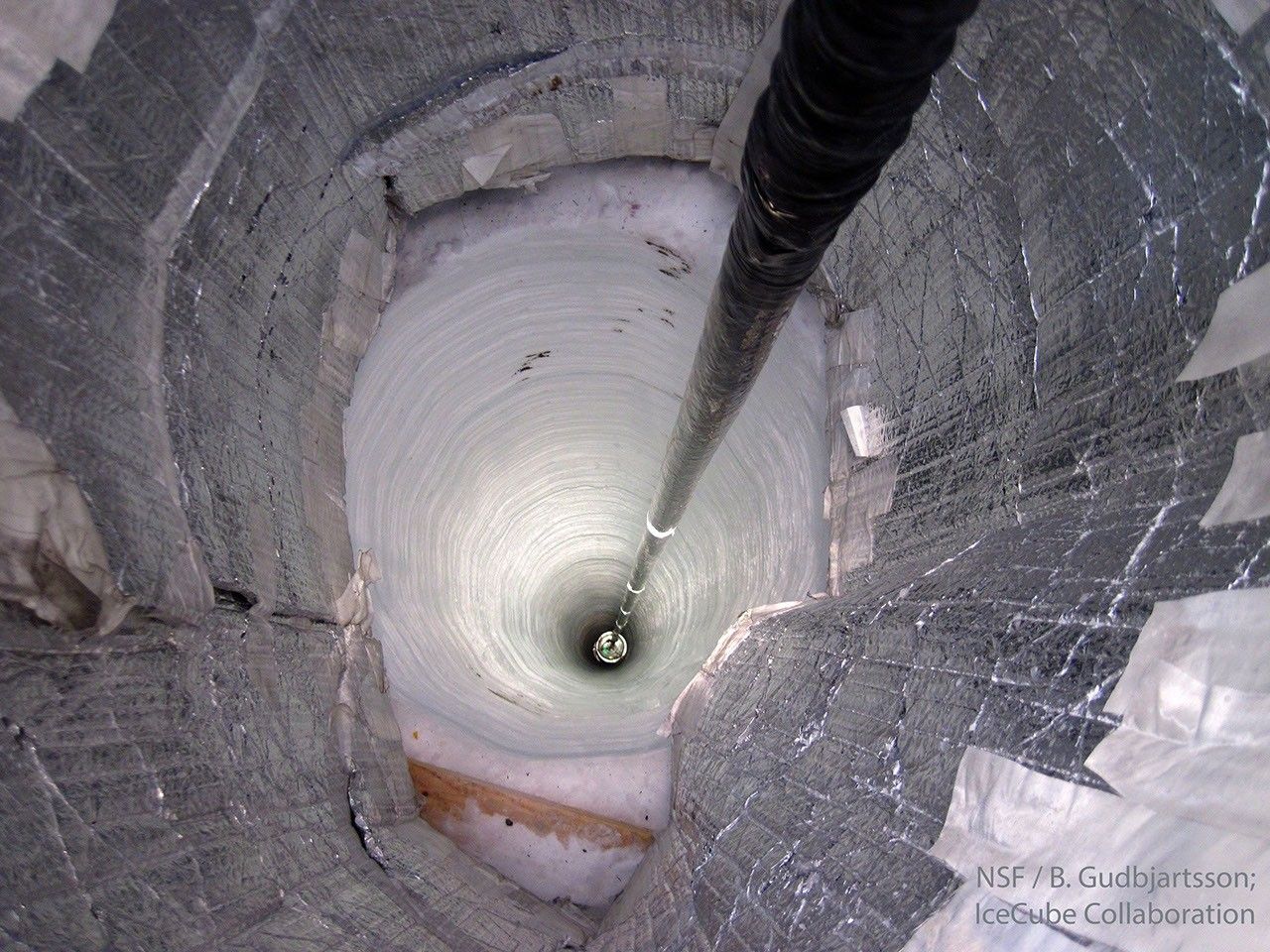
APOD: 2026 October 11 – Ice Fishing for Cosmic Neutrinos
APOD Science APOD APOD: 2026 October 11 – Ice… Today’s APOD Archive Submissions Index Search Calendar RSS Educ...